
Living heritage: How Sharjah turns memory into experience
- February 07, 2026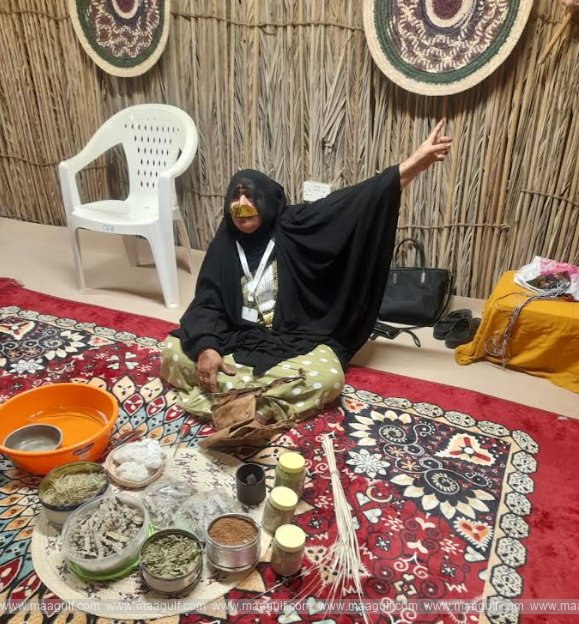
Sharjah: SHARJAH-evening approaches in Sharjah’s heritage areas, the streets slowly come alive. The smell of Arabic coffee drifts through the air, drums echo from nearby squares, and families pause to watch folk dancers perform. At the 23rd edition of Sharjah Heritage Days, heritage is not kept behind glass. It is walked through, listened to and shared.
The festival continues to attract large crowds, bringing together families, culture lovers, researchers and visitors from across the UAE and abroad. Through a rich daily programme, Sharjah Heritage Days presents Emirati traditions in a setting that feels open, familiar and welcoming to all ages.
Books that carry heritage forward
At Bait Al Naboodah, the Sharjah Institute for Heritage launched several new publications during the festival. These included Mirrors of the World in the Journey of Ibn Battuta, Bait Al Naboodah, and the children’s book Qalam Amina. The releases aim to spread cultural knowledge and help younger readers connect with heritage through storytelling and history.
Games from the past, played again
Traditional games also formed part of the experience. The Dama Council introduced visitors to the classic Dama game, giving children and young people a chance to learn a pastime once widely played in the region. The activity highlighted the game’s long history and its role in social gatherings.
Old markets and shared memories
Heritage markets and trade traditions were explored during a cultural seminar titled “UAE Markets… Experiences and Memories.” The discussion looked back at old buying and selling practices and the role markets played in daily life. Speakers stressed the importance of recording these memories and preserving traditional professions for future generations.
Inside Bedouin life
At the Emirati Environments Pavilion, visitors were introduced to Bedouin life in the desert, from grazing and travel to living inside the bait al sha’ar tent. Traditional crafts, Bedouin cuisine and the central role of Arabic coffee as a symbol of hospitality were also highlighted.
Islamic heritage beyond borders
The Cultural Café added an international dimension with a seminar on the influence of Islamic heritage on education in Portugal. Dr Raj Izar and Dr Enas Camara spoke about how mosques, traditional schools and Islamic arts contributed to education and cultural identity. The session was attended by cultural figures and officials.
Coffee as a cultural symbol
Across the festival venues, visitors can follow the traditional preparation of Arabic coffee, from roasting the beans to adding cardamom and saffron. More than a drink, the ritual reflects values of generosity and social connection, and remains a key part of the region’s intangible cultural heritage.
Folk arts and living traditions
The Arab Heritage Centre presented a live talk on the Sudanese Jarteq ritual, delivered by Dr Asaad Abdulrahman, offering insight into its cultural and social meaning. Emirati Al Ayala performances drew crowds with their music and movement, while children joined storytelling and art workshops designed to spark creativity and strengthen their bond with heritage.
Al Hamriyah opens a new chapter
The festival’s second main venue opened in Al Hamriyah this week, featuring handicrafts, heritage markets and displays of different traditional environments. Workshops for young people and performances by Emirati and international folk groups complete the experience.

తాజా వార్తలు
- అక్టోబర్ 20 వరకు సౌదీ అరేబియాకు ఎయిర్ ఇండియా, ఎయిర్ ఇండియా ఎక్స్ప్రెస్ విమానాలు రద్దు
- దుబాయ్లో IIFA ఇన్సైడర్ ఎడిషన్–2.. నోరా ఫతేహీతో సినీ, సోషల్ మీడియా ప్రముఖుల సందడి!
- మిడిల్ ఈస్ట్ లో ఉద్రిక్తతలు..హౌతీ దాడులను అడ్డుకున్న సౌదీ అరేబియా
- నకిలీ డ్రైవింగ్ లైసెన్స్ల ముఠా గుట్టురట్టు.. 8 మంది అరెస్ట్
- ‘జనసేన గ్రాడ్యుయేట్ ఎక్స్ప్రెస్’ను ప్రారంభించిన పవన్ కల్యాణ్
- విమానాల మార్పుల కోసం జీఎంఆర్ ఏరో టెక్నిక్–లాజిక్ ఎయిర్ ఒప్పందం
- భారత్-యూఏఈ సంబంధాల బలోపేతం పై జైశంకర్ చర్చలు..రాస్ అల్ ఖైమా రూలర్ తో భేటీ
- విజయవాడలో ఎన్టీఆర్ ట్రస్ట్ నూతన భవనం.. ప్రారంభించిన నారా భువనేశ్వరి
- ఖతార్లో అక్రమ వీసా వ్యాపారంపై హెచ్చరిక..!!
- ఒమన్లో 17 పెట్రోల్ బంకులకు జరిమానాలు..!!


