
CBSE-JEE System May Be Limiting Diversity of Academic Thought: BITS Vice-Chancellor
- August 23, 2026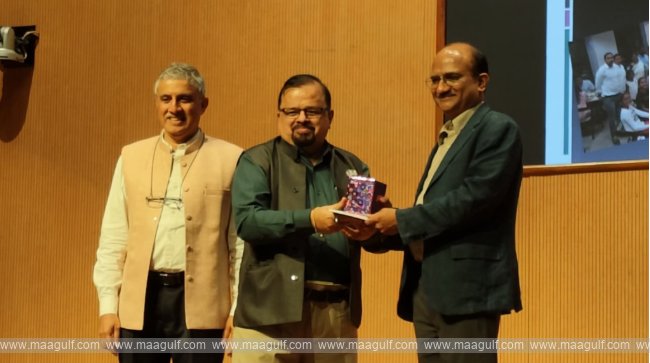
Pune: India’s education system, particularly CBSE schooling and national-level entrance examinations such as the Joint Entrance Examination (JEE), may be limiting diversity in academic thinking, said Professor V. Ramgopal Rao, Group Vice-Chancellor of Birla Institute of Technology and Science (BITS) Pilani.
Rao, who served as Director of IIT Delhi from 2016 to 2021, made the remarks while delivering a lecture titled “Unleashing India’s Scientific Potential: Breaking Barriers and Igniting Innovation” at an event organised by IISER Pune and the Maharashtra Academy of Sciences.
‘Everyone ends up thinking the same way’
Responding to a question on innovation and identifying research with the potential to become commercial products, Rao said India’s cultural diversity was not adequately reflected in its academic institutions.
He argued that the widespread adoption of the CBSE curriculum had standardised the way students learn, while competitive examinations such as JEE further reinforce similar approaches to problem-solving.
According to Rao, by the time students enter higher education institutions, many have been trained to think and solve problems in similar ways, leaving little room for different academic perspectives.
Innovation needs different minds
Rao stressed that innovation requires people with different backgrounds, disciplines, attitudes and experiences to work together.
He said researchers from different academic fields should interact with one another, while stronger collaboration between industry and academia could bring contrasting perspectives to the same problems. Cultural diversity, he added, can also contribute to innovative thinking.
More researchers and better research needed
During his lecture, Rao said India had made progress in expanding the number of educational institutions and increasing research publications. However, he noted that the country still needed to focus on increasing the number of researchers relative to its population, improving research quality and strengthening science funding.
He also highlighted the need for greater investment in private-sector research and development and stronger industry-academia collaboration to translate scientific research into practical applications and products.
Extensive research and innovation experience
Rao is a renowned researcher in nanoelectronics and has authored more than 500 research publications and holds 50 patents. Of these, 20 are granted US patents and 15 have been licensed for commercial use.
His research group's CMOS-SoC intellectual property is reportedly used in hundreds of millions of integrated circuits. Rao has also co-founded two deep-tech startups, Nanosniff and Soilsens.
His remarks underline the importance of encouraging diverse educational experiences and independent thinking to strengthen India’s innovation ecosystem and scientific potential.

తాజా వార్తలు
- సౌదీ దౌత్య శిక్షణ సంస్థ డీజీతో భారత రాయబారి విపుల్ భేటీ
- సీఎం రేవంత్ US టూర్ రద్దు..
- యూట్యూబ్కు పోటీగా చైనా ‘బిలిబిలి’ వచ్చేసింది..
- CBSE–JEE విధానం విద్యార్థుల్లో ఆలోచనా వైవిధ్యాన్ని తగ్గిస్తోంది: బిట్స్ వీసీ రామగోపాల్ రావు
- విశాఖలో బ్రిక్స్ క్రీడా మంత్రుల భేటీ.. భారత్ కీలక ప్రతిపాదనలు
- వాహనాలపై ట్రాఫిక్ జరిమానాలు పేరుకుపోతే చర్యలు తప్పవు: దుబాయ్ పోలీసుల హెచ్చరిక
- అబుదాబిలో డిసెంబర్ 3 నుంచి ఫార్ములా-1 గ్రాండ్ ప్రిక్స్
- కొలరాడోలో NATS చెస్ టోర్నమెంట్ చక్కటి స్పందన
- ముష్రిఫ్ నేషనల్ పార్క్లో కొత్త బ్రిడ్జి ప్రారంభం..
- బహ్రెయిన్లో లోజ్ పండ్ల ధరలకు రెక్కలు..!!


