
Sheikh Hamdan directs Dubai Future Week 2027 to be held from 17 to 21 November
- November 21, 2026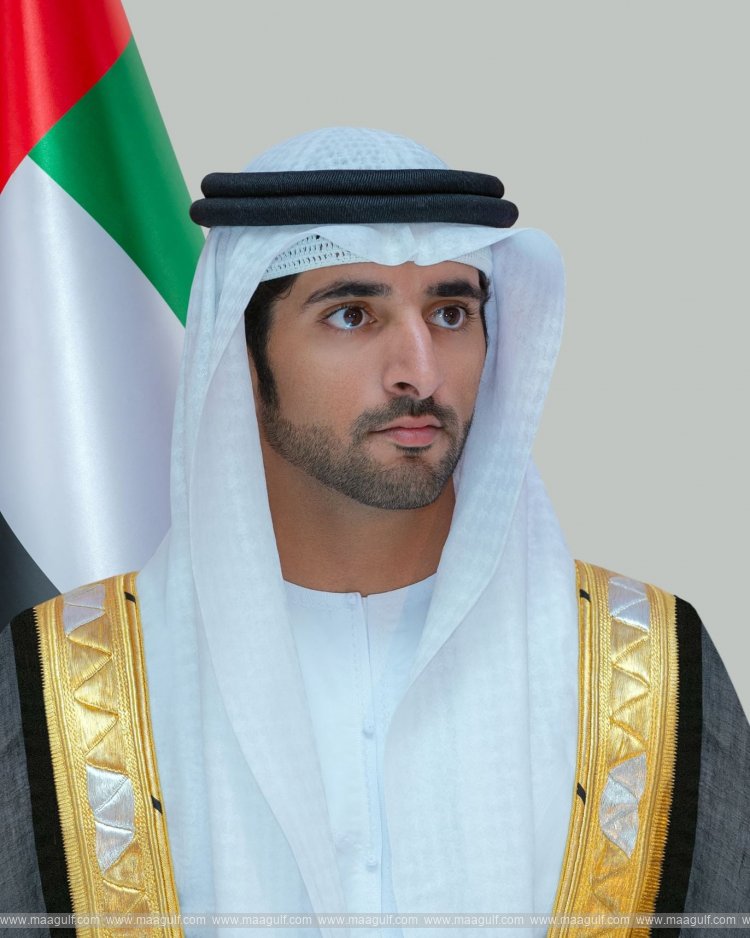
Dubai: H.H. Sheikh Hamdan bin Mohammed bin Rashid Al Maktoum, Crown Prince of Dubai, Deputy Prime Minister and Minister of Defence of the UAE, Chairman of The Executive Council of Dubai, and Chairman of the Board of Trustees of Dubai Future Foundation, affirmed that improving people’s quality of life will remain a central priority for Dubai as it anticipates future transformations and translates its long-term vision into action.
H.H. Sheikh Hamdan made these remarks as Dubai Future Week 2026 concluded after four days at Emirates Towers and the Museum of the Future. Organised by Dubai Future Foundation under the theme ‘For the Human of the Future’, the inaugural edition attracted more than 25,000 visitors and participants from the UAE and around the world.
H.H. Sheikh Hamdan directed that the next edition of Dubai Future Week be held from 17 to 21 November 2027, emphasising the importance of expanding community participation in shaping the future. He stressed the need to place people’s needs and aspirations at the centre of future planning and to make foresight an ongoing, participatory process that enables everyone to contribute to the future they want to see.
H.H. Sheikh Hamdan said, “Dubai’s vision for the future brings together technology, culture, education and the economy under one shared purpose: serving humanity. We want to refocus conversations about the future on people themselves and on how these transformations can be harnessed to enhance their quality of life, expand their opportunities and strengthen societies’ readiness for the future.”
He added, “Dubai is the city of the future. Guided by the vision of His Highness Sheikh Mohammed bin Rashid Al Maktoum, Vice President and Prime Minister of the UAE and Ruler of Dubai, we will continue our partnerships with the world to shape a new era that places people at the forefront of the global transformations driven by artificial intelligence and the rapid advancement of emerging technologies.”
Dubai Future Week 2026 brought together government leaders, experts, innovators, policymakers, investors, entrepreneurs, academics and members of the wider community to explore how emerging technologies and global transformations will shape human life in the decades ahead.
The programme featured eight main concepts, with more than 100 speakers from the UAE and around the world participating in over 70 discussion sessions. Government and private sector entities signed 12 partnership agreements to advance collaboration in innovation, research and future knowledge. The event also featured 30 workshops organised with government entities and international organisations, alongside four intensive learning programmes.
The Dubai Future Solutions – Prototypes for Humanity exhibition showcased more than 100 innovative projects developed by students, graduates and researchers from leading universities worldwide, while the Emirates Robotics Competition brought together 10 university teams from across the UAE.
The Pitch attracted more than 100 startups, with selected ventures presenting their innovations to experts and investors across six key sectors. On the final day, four entrepreneurs pitched their ventures to investors at Shark Tank Dubai.
Dubai Future Week also recognised achievements in foresight and innovation, announcing the winners of five global awards and competitions: the Dubai Foresight Awards, the AI Grandmaster Challenge, the Emirates Robotics Competition, Dubai Future Solutions – Prototypes for Humanity, and the Future Stories Awards.
A central focus of Dubai Future Week was expanding public participation in shaping the future, recognising that the decisions made by people across different professions and communities have a lasting impact on how societies develop.
As part of the 500 Future Minds concept, His Highness Sheikh Hamdan bin Mohammed bin Rashid Al Maktoum invited 500 leaders and professionals from five vital sectors – education, medical response, entrepreneurship, the economy and urban planning – to contribute practical ideas and perspectives on Dubai’s future.
The initiative brought future planning beyond the traditional domains of foresight experts and policymakers, drawing on the knowledge and daily experiences of teachers, doctors, engineers, entrepreneurs, economists and other professionals.
It reflected a broader approach to foresight that recognises the value of lived experience and professional expertise in understanding what people need today and what they may need in the decades ahead.
Dubai Future Week brought science, technology and the humanities into a shared conversation through the Science, Technology, Arts and Research Summit (STARS).
The summit brought together scientists, engineers, artists, designers, writers and thinkers to examine how different disciplines can contribute to understanding and shaping the future.
Scientific research was presented through artistic works, interactive experiences and AI-powered visualisations, making complex ideas more accessible to wider audiences.
STARS featured 30 artistic presentations of scientific research and 10 technology-driven artworks combining creativity with emerging technologies.
Discussions explored the relationship between humans and machines, the implications of artificial intelligence for human cognition, data ethics, the future of robotics and cities, and the role of culture and design in shaping societies.
Beyond scientific and technological progress, Dubai Future Week explored the role of human imagination in identifying possibilities that do not yet exist.
Sessions examined how creative thinking can challenge established assumptions, reveal new opportunities and help turn ideas into practical projects, policies and innovations.
Artificial intelligence was a major focus of Dubai Future Week, with particular attention given to how the technology can deliver practical benefits for governments, businesses and communities.
The AI Retreat examined Dubai’s strategic direction in artificial intelligence, while specialised sessions addressed cybersecurity, governance, regulatory readiness and the organisational capabilities required for safe and responsible adoption.
Discussions explored the transition from isolated AI experiments to the wider transformation of government services, business processes, industry and education, with a focus on measurable improvements in how institutions operate and serve people.
The third edition of the AI Grandmaster Challenge brought together 20 participants competing to demonstrate their capabilities in artificial intelligence. Samin Yasar from the United States was awarded the AED 1 million grand prize.
Speakers explored how literature, storytelling and science fiction can broaden perspectives on the future, while demonstrating the value of curiosity, observation and interdisciplinary thinking in addressing complex challenges.
The discussions highlighted imagination as an essential capability for individuals, institutions and societies seeking not only to anticipate change, but to influence its direction.
Young people played an active role in conversations about how education must evolve to meet the demands of a rapidly changing world.
Discussions examined the need to rethink traditional educational models and give greater emphasis to critical thinking, creativity, problem-solving and lifelong learning, particularly as artificial intelligence transforms how knowledge is accessed and applied.
Young participants presented projects, shared their perspectives and proposed new approaches to learning, contributing directly to discussions about the education systems and opportunities that will shape their futures.
Their involvement reflected the importance of giving younger generations a meaningful role in decisions that will affect their lives, rather than treating them solely as future beneficiaries of today's policies.
Dubai Future Week extended beyond its formal programme, making emerging technologies and future concepts accessible to families, students and the wider public.
More than 20 outdoor activities invited visitors to explore how advances in science, technology and design could change everyday life.
Visitors experienced potential futures of work, food, art and urban living, explored interactive experiences set in the year 2071, and engaged with innovations in artificial intelligence, robotics and other emerging technologies.
These activities helped bring future thinking into public spaces, allowing people of different ages and backgrounds to engage directly with ideas that are often discussed primarily within specialist forums.
Throughout Dubai Future Week, discussions challenged participants to look beyond immediate technological developments and consider the deeper questions that will shape societies in the decades ahead.
The 500 Future Minds concept explored how people can take a more active role in determining the direction of their cities, rather than simply adapting to changes around them.
Conversations about education examined what children should learn today to prepare for an uncertain future, and how younger generations can help shape the systems in which they will learn and work.
Across artificial intelligence, robotics, health and the future of work, participants considered how technological advancement could expand human capabilities while preserving the values and experiences that matter most to people.
Policy discussions examined how governments and regulators can anticipate emerging challenges rather than respond only after change has occurred. Sessions on science, art and imagination explored how different forms of knowledge can contribute to solutions that would not emerge from any single discipline.
The future of cities was another important theme, with discussions examining what creates a sense of belonging, how urban environments can serve more diverse communities, and why people choose particular cities as places to build their lives.
Two broader questions connected many of these conversations: can societies develop the capacity to plan seven generations ahead, and should progress ultimately be measured by the sophistication of technology or by the improvements it brings to human life?
The inaugural Dubai Future Week demonstrated an approach to foresight that combines long-term thinking with practical experimentation, cross-sector collaboration and public participation.
Across four days, it connected scientific research with creative thinking, technological innovation with human needs, and the expertise of global leaders with the experiences of people who contribute to the life of a city every day.
It also reinforced the understanding that the future is shaped not only by scientists, engineers and policymakers, but by teachers, doctors, researchers, artists, entrepreneurs, young people and the wider community.
This is the vision behind Dubai Future Week’s theme, ‘For the Human of the Future’: to ensure that the value of progress is understood not simply through what technology makes possible, but through the opportunities it creates and the lives it improves.
Through Dubai Future Week, Dubai continues to advance an approach to foresight that places people at the centre of long-term planning and brings together governments, institutions and communities to turn future possibilities into meaningful outcomes.

తాజా వార్తలు
- ఒమన్లో ఘనంగా 56వ జాతీయ దినోత్సవ వేడుకలు.. డ్రోన్ షోలతో ఆకట్టుకున్న ఆకాశం
- షేక్ జాయెద్ ఫెస్టివల్కు ఉచిత బస్సు సర్వీసులు..
- పుష్కరాలకు తేదీలు ఖరారు..సీఎం చంద్రబాబు కీలక ప్రకటన
- నాలుగో ప్రపంచ తెలుగు మహాసభలకు త్రిపుర గవర్నర్కు ఆహ్వానం
- బహ్రెయిన్లో షేర్డ్ హౌసింగ్పై కఠిన చర్యలు..!!
- ఖతార్లో చిన్నారుల కోసం ప్రత్యేక పార్కులు..!!
- సౌదీ అరేబియాలో భారీగా డ్రగ్స్ పట్టివేత..!!
- సుల్తాన్ హైతమ్కు రాష్ట్రపతి ద్రౌపది ముర్ము శుభాకాంక్షలు..!!
- పాత ఫోన్లోనూ 24 క్యారెట్ల బంగారం..!!
- 2026లో కువైట్ చమురేతర రంగం 1.5% వృద్ధి..!!


