
Emirates Journalists Association Discusses Challenges Facing Arabic Language in the Media at Big Bad Wolf Book Fair
- November 29, 2026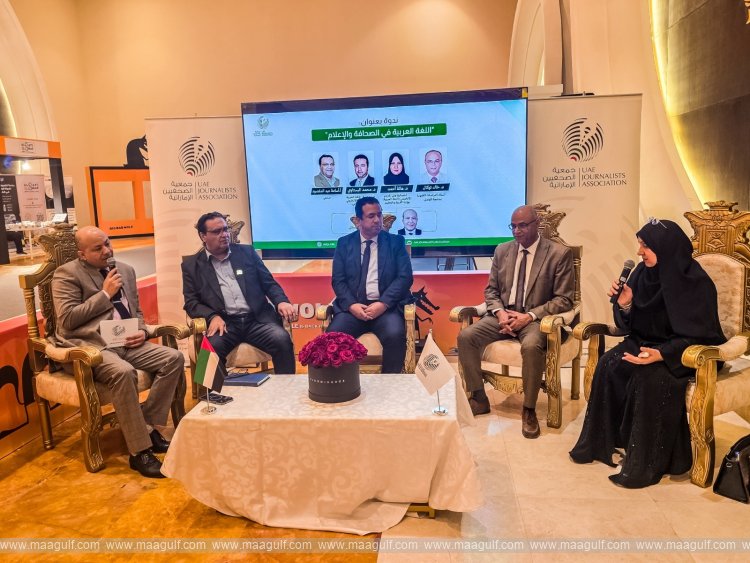
Experts Highlight the Importance of Linguistic Accuracy, Media Responsibility and Artificial Intelligence in Promoting Arabic Journalism
Ajman: The Emirates Journalists Association (EJA) has discussed ways to strengthen the presence of the Arabic language in the media and address challenges affecting its proper use amid rapid digital transformation.
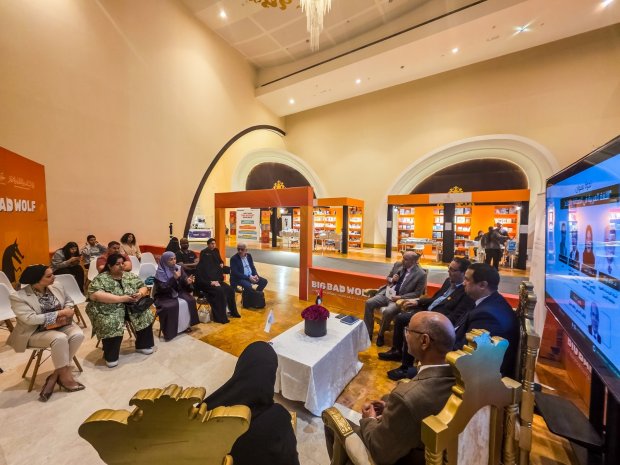
The discussion took place during a seminar titled “The Arabic Language in Journalism and Media”, organised by the association as part of the Big Bad Wolf Book Fair 2026, being held at the Emirates Hospitality Hall in Ajman.
Her Excellency Fadila Al Muaini, Chairperson of the Emirates Journalists Association, emphasised that promoting the Arabic language in the media is both a professional and cultural responsibility. She noted that linguistic accuracy is closely linked to content quality, credibility and the preservation of national identity.
She explained that the seminar was organised to encourage dialogue between media professionals and specialists, exchange ideas and explore ways to improve linguistic standards across media organisations.
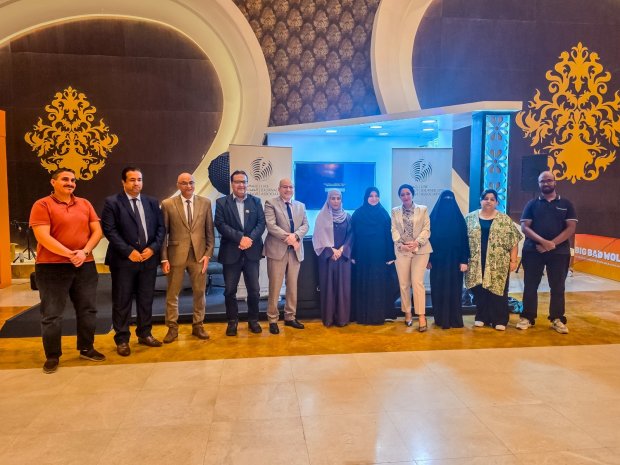
The seminar was moderated by journalist and writer Atef Al Batal and featured a panel of experts, including Dr Khaled Tawkal, Professor of Linguistic Studies at Al Wasl University; Dr Hala Ahmed, Senior Academic Support Specialist in Arabic at the Ministry of Education; Dr Mohammed Al Bastawi, a specialist in Arabic language, e-learning technology and artificial intelligence; and journalist Osama Abdel Maqsoud.
The discussions covered the relationship between the Arabic language and media identity, its use in print and digital journalism, television and radio, as well as the opportunities and challenges presented by artificial intelligence. Participants also highlighted the responsibility of media organisations to balance the speed of news delivery with content quality.
Dr Khaled Tawkal said journalism plays an important role in raising public awareness and shaping society's linguistic preferences. He stressed that the speed of news reporting should not come at the expense of linguistic accuracy. He called for strengthening the role of language editors, improving journalists' language skills and establishing dedicated language review units alongside newsroom operations.
Dr Hala Ahmed described Arabic as a vessel of identity and a reflection of awareness. She stressed that strengthening its presence requires a sustainable media and cultural initiative involving media organisations, families, schools and society. She also proposed appointing language editors in every newsroom to review content before publication and ensure that media organisations set a positive example for younger generations.
Dr Mohammed Al Bastawi highlighted the opportunities offered by artificial intelligence in promoting Arabic and expanding content production in the language. However, he emphasised that human professionals must remain in control of editorial work and that AI-generated content should undergo linguistic and professional review. He encouraged the use of technology to support creativity and critical thinking while maintaining deep reading, original writing and content credibility.
Journalist Osama Abdel Maqsoud stressed the importance of linguistic competence and correct pronunciation when selecting television presenters and programme hosts. He called for greater use of Modern Standard Arabic in meaningful programmes, delivered in a simple and accessible manner that connects with audiences.
He also highlighted the role of teachers in developing children's communication skills and encouraging them to use Arabic correctly through engaging and enjoyable teaching methods.
The seminar concluded with a collective call to protect and promote the Arabic language across the media landscape, emphasising that this responsibility extends beyond journalism institutions to all sections of society.
Participants agreed that technological advancement and learning other languages should not come at the expense of the accuracy, richness and beauty of Arabic. They also emphasised that the media is not merely a platform for delivering news but an important partner in shaping public awareness and society's linguistic culture.
The speakers concluded that investing in the Arabic language is an investment in national identity, cultural heritage and the future of coming generations, requiring a balanced combination of human expertise and digital capabilities.

తాజా వార్తలు
- అమరావతిలో బెడ్ఫోర్డ్ స్కూల్ రెండో అంతర్జాతీయ క్యాంపస్
- కువైట్లో ప్రవాసులకు బ్యాంకు రుణాలపై కొత్త ఆంక్షలు..!!
- అరేబియా ఎడారిలో ప్రాచీన మానవుల నివాస రహస్యాలు..!!
- దుబాయ్లో అపార్ట్మెంట్ CCTV ఫుటేజీని వాట్సాప్ గ్రూపుల్లో షేర్ చేయవచ్చా?
- ఆరోగ్య రంగంలో ఏఐ.. ఖతార్ లో కీలక కేంద్రం..!!
- సౌదీ అరేబియాలో భారీ వర్షాలు..ప్రజలకు సివిల్ డిఫెన్స్ హెచ్చరికలు..!!
- పెంపుడు జంతువులను వదిలేస్తే BD5000 జరిమానా..!!
- నిజామాబాద్ పోలీస్ కమిషనరేట్ను సమీక్షించిన తెలంగాణ డీజీపీ సీవీ ఆనంద్..
- దోహాలో బిర్లా పబ్లిక్ స్కూల్ 23వ వ్యవస్థాపక దినోత్సవ వేడుకలు..
- షార్జాలో ట్రక్కు డ్రైవర్లకు భారీ జరిమానా హెచ్చరిక!


