
SEC approves Sharjah Airport structure, Unified Media Policy
- August 25, 2026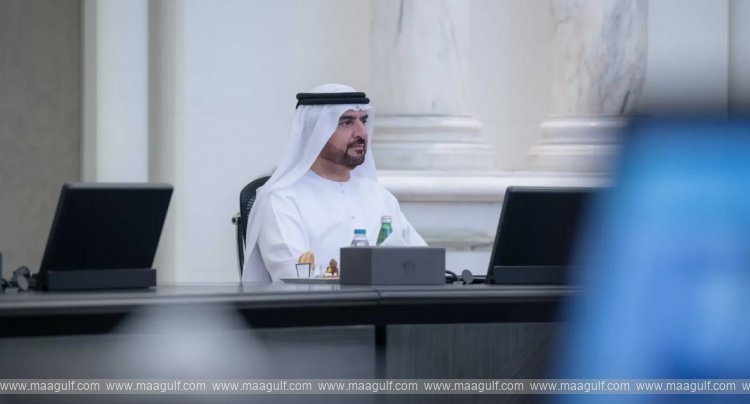
Sharjah: His Highness Sheikh Abdullah bin Salem bin Sultan Al Qasimi, Deputy Ruler of Sharjah, Vice Chairman of the Sharjah Executive Council (SEC), chaired the Council’s meeting on Tuesday morning at the Ruler’s Office, in the presence of His Highness Sheikh Sultan bin Ahmed bin Sultan Al Qasimi, Deputy Ruler of Sharjah and Deputy Chairman of the Sharjah Executive Council.
The Council discussed a number of topics related to the development of the government system across various sectors, reviewed the outcomes of policy development efforts, and adopted several decisions to enhance government performance in ways that contribute to the stability and progress of society.
In implementing the directives of His Highness Sheikh Dr Sultan bin Mohammed Al Qasimi, Supreme Council Member and Ruler of Sharjah, aimed at enabling government entities to perform their roles more efficiently and strengthening their institutional capabilities to achieve higher levels of excellence and sustainability in government work, the Council approved the draft general organisational structure project of the Sharjah International Airport Authority.
This approval forms part of the Emirate’s commitment to developing government work in line with best practices, thereby contributing to the continued advancement of Sharjah International Airport and its ongoing achievements, including leading services, growth in passenger and cargo traffic, and the advanced rankings it continues to attain. The Council directed its General Secretariat to submit the draft organisational structure to His Highness the Ruler of Sharjah.
The Council approved the Unified Media Policy of the Emirate of Sharjah, which sets out a strategic vision that positions media and government communication as a key pillar of the Emirate’s cultural and development agenda. It also aims to move from traditional media practices towards a smart institutional system grounded in accuracy, professionalism, and credibility, while keeping pace with digital transformation.
The media policy aims to unify institutional references by establishing a framework for official communication that strengthens institutional consistency; to enhance governance by clearly defining roles and responsibilities; and to ensure a swift response by strengthening government communication capabilities to address digital crises and counter misinformation. It also seeks to enhance content credibility by improving quality through principles of accuracy, verification, and reliability, while using data analysis to ensure effective targeting. In addition, the policy promotes digital governance by regulating the use of artificial intelligence and emerging technologies within a framework that safeguards data protection and enhances digital readiness.
The policy comprises eight strategic pillars covering references and legislation; situational analysis and gap assessment; media governance; content management and official discourse; digital communication and emerging technologies; crisis and emergency communication; inclusivity and accessibility; and compliance and performance measurement.
The media policy is grounded in professional principles that include accuracy and information reliability, responsible transparency, professional initiative, institutional responsibility, integration and institutional consistency, professionalism and balance, and flexibility and responsible innovation.
The Council also approved the Media Code of Conduct in Sharjah, which aims to promote responsible media practices that uphold the public’s right to accurate and reliable information while remaining consistent with the Emirate’s cultural identity.
The importance of the Code lies in its strategic dimension, as it marks a qualitative shift in regulating the media landscape, moving from varied individual practices towards a unified institutional framework that upholds the highest professional and ethical standards. It also adds value to the media system by serving as a genuine safeguard for the public’s right to information and by reinforcing the principle of professional responsibility. At the institutional level, it strengthens public trust in the media message, while at the national level, it reflects national identity and strikes a balance between openness to the world and the preservation of authentic values.

తాజా వార్తలు
- హోర్ముజ్ జలసంధిలో సురక్షిత నౌకాయానానికి ఒమన్–ఇరాన్ చర్చలు
- ప్రపంచ బ్యాడ్మింటన్ ఛాంపియన్లకు గౌరవం..
- ఏపీ లోకాయుక్తగా ప్రమాణ స్వీకారం చేసిన మల్లిఖార్జునరావు
- గుడివాడ ప్రభుత్వ ఆసుపత్రిలో సీటీ స్కాన్, సోలార్ పవర్ ప్రారంభం
- దుబాయ్లో వీసాల పేరుతో మోసాలు..నకిలీ ప్రకటనల పై పోలీసుల హెచ్చరిక
- ఢిల్లీ, కర్ణాటక రాష్ట్రాలను వణికిస్తున్న ‘H1N1′ వైరల్
- దుబాయ్లో ఘనంగా ఎంపీ ధర్మపురి అర్వింద్ జన్మదిన వేడుకలు
- 3డీ ప్రింటింగ్ కోసం ఫార్మాస్యూటికల్ పాలిమర్ ఆధారిత బయోఇంక్ అభివృద్ధి చేసిన బిట్స్ పిలానీ గో
- ప్రవక్త మహమ్మద్ (PBUH) జన్మదినం సందర్భంగా UAE నేతల శుభాకాంక్షలు...
- రాయదుర్గంలో సుజ్లాన్ ప్రాజెక్టుకు మంత్రి లోకేష్ శంకుస్థాపన


