
Shirdi Sai Baba Sansthan Trust’s Solar Kitchen Emerges as a Model Amid Global Fuel Strain
- March 17, 2026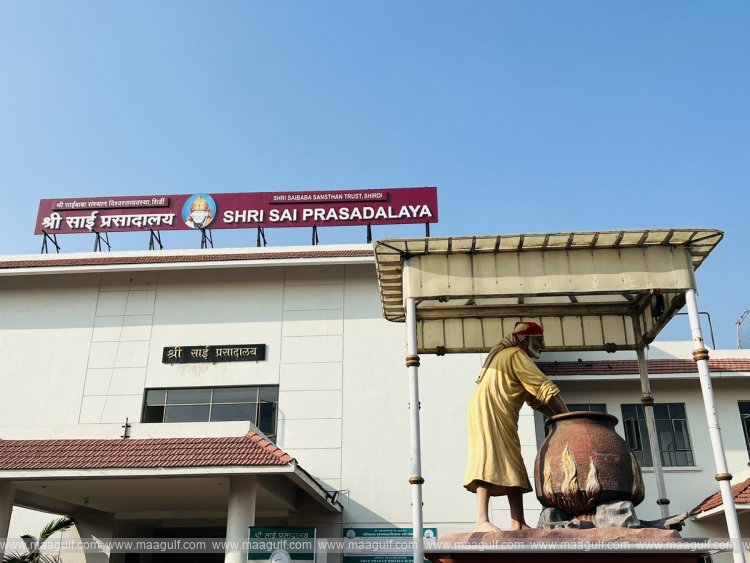
Shirdi: As global fuel supplies face mounting pressure due to ongoing conflicts in West Asia, the Shri Saibaba Sansthan Trust in Shirdi has set a remarkable example with its large-scale solar cooking system, significantly reducing dependence on conventional energy sources.
At the heart of this initiative is a solar-powered kitchen that prepares meals daily for thousands of devotees. Approximately 2,000 kilograms of food are cooked every day, sufficient to serve nearly 40,000 people. The system also helps save around 200 kilograms of cooking gas daily, offering both economic and environmental benefits.
Recognizing the innovation, India’s Ministry of New and Renewable Energy has honored the project as a unique model for sustainable practices in the country.
Shirdi, a major pilgrimage destination, receives an average of 75,000 to 80,000 devotees each day. The Sai Sansthan provides free meals through its Prasadalaya, benefiting around 40,000 visitors daily. Prior to adopting solar energy, the institution consumed nearly 1,700 kilograms of gas per day, placing a heavy financial burden on its operations.
In response to rising fuel costs and the need for energy conservation, the Sansthan’s Board of Trustees approved the installation of a solar cooking system in July 2009. The project, which cost approximately ₹1.37 crore, includes 73 solar dishes installed within the Prasadalaya complex.
The facility is equipped with 10 large cookers, each with a capacity of 150 liters. Using this system, the kitchen can prepare up to 15 quintals of rice, 5 quintals of lentils, and 5 quintals of vegetables at a time. In addition, the Sansthan has introduced solar-powered hot water systems, providing round-the-clock free hot water to over 10,000 devotees daily across accommodations such as the New Devotee Residence, Dwaravati, and Sai Ashram.
Since its inception in 2009, the solar cooking initiative has saved over 200,000 kilograms of gas and resulted in financial savings exceeding ₹2 crore. Beyond cost efficiency, the project stands as a powerful example of how renewable energy can be harnessed at scale to support both sustainability and public service.

తాజా వార్తలు
- సౌదీలో అక్టోబర్ 7న నేషనల్ గ్రీనింగ్ సీజన్ ప్రారంభం..!!
- ఖతార్లో పటిష్టంగా సమాచార భద్రతా నిబంధనల అమలు..!!
- ఒమన్ న్యాయ వ్యవస్థలో డిజిటల్ సేవల విస్తరణ..!!
- మక్కాలో వేధింపులు.. భయాందోళనకు గురిచేసిన వ్యక్తి అరెస్ట్..!!
- కువైట్లో రెస్టారెంట్, ఫుడ్ గోడౌన్ సీజ్..!!
- బహ్రెయిన్లో మనీలాండరింగ్.. నలుగురు ఆసియన్లకు 5 ఏళ్ల జైలుశిక్ష..!!
- వాహనదారులకు సుప్రీం కోర్టు బిగ్ షాక్..
- శబరిమల యాత్రకు ఏపీఎస్ఆర్టీసీ స్పెషల్ బస్సులు..
- ప్రధాని మోదీతో ఫ్లైదుబాయ్ పైలట్ భావోద్వేగ సంభాషణ
- అదృష్టం కాదు.. ప్రణాళికే గల్ఫ్ దేశాల ఆర్థిక బలానికి కారణం..!!


