

UAE drives space ambitions with sustained achievements, future vision
- April 11, 2026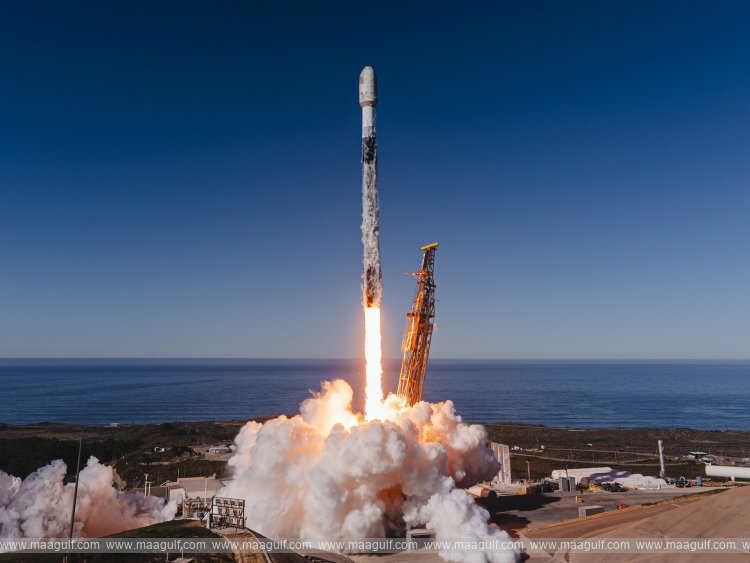
Abu Dhabi: The United Arab Emirates continues to strengthen its position in the global space sector in 2026 through a series of initiatives and achievements aimed at advancing knowledge and supporting economic growth.
The UAE will join the world on 12th April in marking the International Day of Human Space Flight, coinciding this year with the country’s adoption of the National Space Strategy 2031, designed to boost the sector’s contribution to the economy.
The strategy focuses on three main goals: building a resilient and investment-attractive space ecosystem, strengthening global partnerships and market access, and developing competitive infrastructure and facilities.
Key targets include doubling space economy revenues, placing the UAE among the world’s top 10 space economies by 2031, increasing the sector’s economic contribution, and expanding the number of national companies, export markets and space-related investments.
The announcement follows progress under the previous strategy, which saw the development of advanced local capabilities in space technology, the launch of scientific missions, and stronger international partnerships. The UAE has developed 30 satellites, while more than 170 entities are now active in the space economy.
Earlier this year, the UAE extended the Mars Probe mission until 2028, following its operational success and continued collection of data on Mars’ atmosphere and climate.
Since its launch, the mission has released more than 10 terabytes of scientific data and published around 16 data releases for researchers and the global scientific community, alongside more than 35 peer-reviewed studies.
In January, the Mohammed Bin Rashid Space Centre released new high-resolution images captured by the “MBZ-SAT” satellite, marking one year since its launch.
In March, a decree was issued to establish the Sharjah Space and Astronomy Complex, alongside the launch of the CubeSat “Sharjah Sat-2”, aimed at providing high-resolution spectral data to support research and strategic planning.
In research developments, an international team led by New York University Abu Dhabi, in collaboration with Jilin University, China, has discovered a new type of organic crystal that can repair itself after being damaged at extremely low temperatures. This breakthrough could pave the way for the next generation of durable, lightweight materials designed to perform in some of the harshest environments on Earth and space.
Separately, the National Space Academy launched the first edition of the "Arab Youth Space Hackathon”, providing a platform for young talent to develop applications in Earth observation and hyperspectral data.


తాజా వార్తలు
- ఏఐ ఎయిర్పోర్ట్ సర్వీసెస్లో ఉద్యోగాలు..
- వాటర్ బిల్లు పేరుతో ఏపీకే ఫైల్స్..సీపీ సజ్జనార్ కీలక సూచనలు
- చమురుయేతర రంగాలలో GCC ఎకానమీ దూకుడు..!!
- ప్రపంచ వృద్ధి అంచనాలను తగ్గించనున్న ఐఎంఎఫ్..!!
- ఇండియన్ ఓషన్ కాన్ఫరెన్స్ లో పాల్గొన్న ఒమన్ విదేశాంగ మంత్రి..!!
- Dh4 ట్రాఫిక్ ఫైన్? ఫేక్ SMS స్కామ్ బస్ట్..!!
- BD800 మిలియన్లతో 50వేల హౌజింగ్ యూనిట్లు..!!
- సంక్షోభాన్ని ఐక్యతతో అధిగమించిన యూఏఈ
- ఇస్లామాబాద్ వేదికగా అమెరికా-ఇరాన్ శాంతి చర్చలు: ఉత్కంఠలో ప్రపంచం!
- శ్రీలంక లో పర్యటించిన FTPC ఇండియా బృందం


