
Dubai hosts 29th Middle East Iron and Steel conference
- November 16, 2026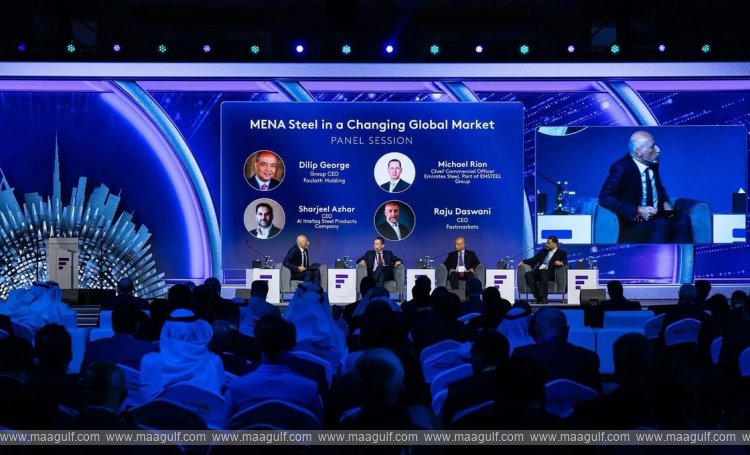
Dubai: The 29th Middle East Iron and Steel (MEIS 2026) conference, organised by Fastmarkets, opened in Dubai on Monday, as new investments position the Middle East and North Africa (MENA) to play a greater role in global steel supply.
The conference focuses on transforming these investments into competitive, lower-carbon production capacity, with particular emphasis on expanding direct reduced iron (DRI) and hot briquetted iron (HBI) production and exploring opportunities to supply domestic and European markets.
Projects under discussion include Tosyalı SULB's US$2.5 billion investment in Libya, Ezz Steel's $780 million investment in Algeria and new production capacity planned in Duqm, Oman.
Achieving this growth will depend on securing reliable supplies of high-grade iron ore, scrap and energy, supported by efficient transport networks. Discussions will examine how producers and buyers can manage raw material costs and supply challenges as new capacity becomes operational.
Saeed Ghumran Al Remeithi, Group CEO of EMSTEEL, the conference's regional host sponsor, said the future of steel depends not merely on production capacity but on competitiveness, efficiency, innovation, lower carbon emissions and the ability to respond to changing market conditions.
He emphasised that the region has demonstrated resilience and must now strengthen its readiness for future industry challenges.
Raju Daswani, CEO of Fastmarkets, said MENA has an opportunity to become a major supplier of the iron units required for the next generation of steelmaking.
He noted that competitiveness will depend on producers' ability to deliver reliable supplies at appropriate costs and with lower emissions, adding that MEIS brings together producers, buyers and investors to assess opportunities and make informed decisions.
Carbon regulations and trade policies are also shaping the sector's prospects. As the European Union's Carbon Border Adjustment Mechanism (CBAM) takes effect and free carbon allowances are gradually phased out, production emissions are becoming increasingly important to competitiveness.
The region's gas-based DRI production offers a potential emissions advantage, although competitiveness will depend on verified emissions, production costs and trade measures.
Fastmarkets analysts forecast that European trade measures, including tariff-rate quotas, could reduce hot-rolled coil (HRC) imports from approximately 30 percent of EU demand in 2025 to below 15 percent by 2035.
MEIS 2026 has attracted more than 700 delegates from over 40 countries and continues until 18th November at Madinat Jumeirah, Dubai.

తాజా వార్తలు
- విజయవాడలో రామోజీ ఎక్సలెన్స్ అవార్డుల వేడుక..
- అమెరికా యూనివర్సిటీలకు విదేశీ విద్యార్థుల దెబ్బ..
- తెలంగాణ రైజింగ్ గ్లోబల్ సమ్మిట్కు షేక్ నహ్యాన్కు మంత్రి అజారుద్దీన్ ఆహ్వానం
- విశాఖలో ఎలక్ట్రిక్ సిటీ బస్సు సర్వీసులు ప్రారంభం
- ఖతార్ పాఠశాలల్లో వేధింపులకు చెక్..!!
- ఒమన్లో కొత్త ఆరోగ్య సముదాయం ప్రారంభం..!!
- కువైట్లో ఆరుగురు ఆసియా దేశస్థుల అరెస్ట్..!!
- మక్కా గ్రాండ్ మసీదులో ఉచిత సేఫ్టీ బ్రేస్లెట్లు..!!
- యూఏఈలో 2027లో తగ్గనున్న కొత్త నియామకాలు..!!
- బహ్రెయిన్లో ప్రవాసుల చేపల విక్రయాలపై నిషేధం..!!


