
How Dubai Fitness Challenge can accelerate Students' Mental and Physical Wellbeing
- December 14, 2023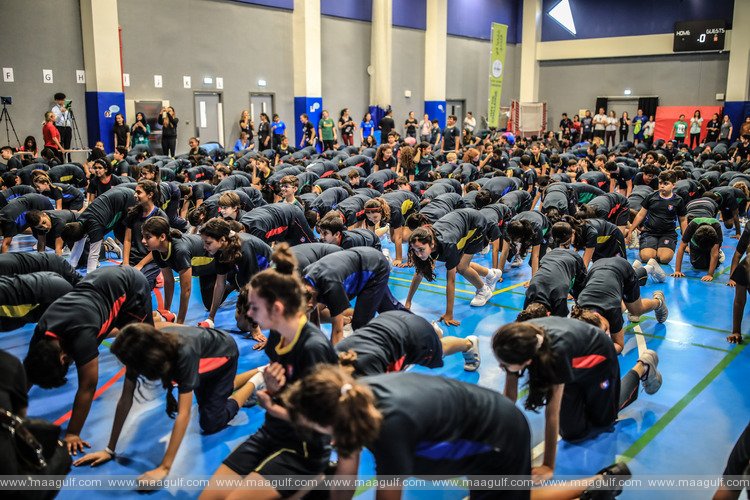
Dubai: The Dubai Fitness Challenge (DFC), launched in 2017 by His Highness Sheikh Hamdan bin Mohammed bin Rashid Al Maktoum, Dubai Crown Prince and Chairman of The Executive Council of Dubai, has emerged as a transformative initiative that aims to promote a healthier and more active lifestyle among citizens, residents and visitors alike. While the Challenge has been successful in engaging people of all ages, it is particularly essential to recognise its potential in accelerating the mental and physical wellbeing of students. Physical activity can have a profound impact on young people’s holistic development, with DFC as a powerful catalyst for positive change.
Physical activity as a tool for mental and physical wellbeing
Engaging in regular physical activity has been scientifically proven to have a multitude of benefits for individuals of all ages, particularly students. Exercise not only enhances physical fitness but also plays a crucial role in cognitive development, emotional resilience and overall mental wellbeing. Research consistently shows that physical activity stimulates the release of endorphins, commonly known as "feel-good" hormones. These hormones are responsible for reducing stress and anxiety levels while improving mood and self-esteem. By exercising regularly, students will experience these positive effects firsthand, leading to improved mental health and a more positive outlook on life. In addition, physical activity has been linked to enhanced cognitive function, including improved attention span, memory and problem-solving skills. Regular exercise increases blood flow to the brain, promoting the growth of new nerve cells and improving overall brain function. By incorporating 30 minutes of physical activity into their daily routines, even now that DFC is over for this year, students can improve their cognitive abilities, leading to better academic performance and overall educational outcomes.
Promoting inclusivity and teamwork
One of the notable aspects of DFC is its emphasis on inclusivity and community engagement. The Challenge encourages participation from individuals of all fitness levels and age groups. This inclusivity is particularly beneficial for students, as it fosters a sense of belonging and encourages them to engage in physical activities without fear of judgment or exclusion. Moreover, DFC promotes teamwork and collaboration through various activities and events. By participating in team-based challenges, students learn valuable skills such as communication, cooperation and leadership while building strong relationships with their peers. These social interactions contribute to their emotional wellbeing and help create a supportive and inclusive school environment.
Instilling lifelong healthy habits
DFC also serves as a springboard for students to develop lifelong healthy habits. By encouraging them to engage in physical activities for 30 minutes every day for 30 days, the Challenge instils a routine that can extend far beyond the duration of the event. This regular commitment to physical activity sets the foundation for a lifetime of health and wellbeing. Through DFC, they are exposed to a wide range of activities and sports. This allows them to explore different forms of exercise and discover activities they enjoy. Whether it's through cycling, dancing, or team sports, students can find their passion and incorporate it into their daily lives, leading to a healthier and more active lifestyle. Beyond the physical benefits, the development of healthy habits also positively impacts students' mental wellbeing. Engaging in regular physical activity provides a sense of structure, which can enhance self-discipline and self-control. By internalising the habits formed during DFC, students can apply these skills to other aspects of their lives, contributing to their overall personal growth and success.
Supporting academic achievement
Physical activity is not only beneficial for students' mental and physical health but also has a direct impact on their academic achievement. Research has consistently shown a positive correlation between physical fitness and academic performance. Engaging in regular exercise improves concentration, memory, and cognitive abilities, all of which are essential for learning and academic success. By incorporating fitness into their daily lives, students can experience these cognitive benefits firsthand. Regular physical activity helps to increase blood flow to the brain, supplying it with oxygen and nutrients necessary for optimal functioning. This, in turn, enhances students' ability to focus, retain information, and perform tasks requiring critical thinking and problem-solving skills. As a result, students are better equipped to excel in their academic endeavours and reach their full potential.
Collaboration between schools and the community
The success of DFC in accelerating students' mental and physical wellbeing relies on the collaboration between schools, parents and the wider community, which is why entities such as the Knowledge and Human Development Authority (KHDA) are long-term supporters of the initiative. Schools play a vital role in promoting and encouraging student participation in the Challenge. By incorporating physical activity into the school curriculum and organising related events and initiatives, schools can create a supportive environment that fosters a lifelong commitment to health and fitness. Parents and guardians also have a significant role to play in supporting their children's participation in DFC and beyond. Through actively encouraging and engaging in physical activities alongside their children, parents can serve as positive role models, emphasising the importance of an active lifestyle and prioritising wellbeing. Additionally, parents can collaborate with schools to organise family-oriented fitness events or establish after-school programmes that further promote physical activity. Furthermore, community involvement is paramount. Local organisations, sports clubs and fitness enthusiasts can collaborate with schools to provide resources, expertise and opportunities for students to engage in a variety of physical activities. By leveraging the collective efforts, we can create a comprehensive support system that nurtures the physical and mental wellbeing of students across the country.
Addressing challenges and sustaining the impact
While DFC has demonstrated its potential to accelerate students' mental and physical wellbeing, it is important to address potential challenges and sustain the impact now that the Challenge is complete for this year. One key consideration is the integration of physical activity into the daily routines of students, especially considering the demands of academic and extracurricular activities. Schools can play a significant role by incorporating physical activity breaks during the school day, organising regular fitness events and challenges throughout the year, and providing access to sports facilities and equipment. Additionally, ongoing awareness campaigns and educational initiatives can reinforce the importance of physical activity and its positive impact on mental and physical wellbeing. Another challenge lies in ensuring equal access and participation for all students, including those with physical disabilities or health conditions. It is crucial to provide inclusive opportunities and adaptations to accommodate diverse needs. Through partnering with specialised organisations and experts, schools can ensure that all students are able to participate and benefit from physical activities throughout the year.
In conclusion…
DFC is a transformative initiative that holds tremendous potential for accelerating students' mental and physical wellbeing through physical activity. By taking the challenge and maintaining the healthy habits formed during DFC, schools, parents and the wider community can create a supportive environment that fosters lifelong healthy habits and enhances students' overall wellbeing. Let us come together and prioritise the health and fitness of our students, integrating physical activity into their daily lives. By doing so, we can empower them to thrive academically, emotionally and physically, and lay the foundation for a brighter, healthier future for them.

తాజా వార్తలు
- మర్మీ ఫెస్టివల్ జనవరి 1న ప్రారంభం..!!
- సౌదీలో రెంటల్ వయోలేషన్స్..10 రోజుల గ్రేస్ పీరియడ్..!!
- ట్రావెల్ అలెర్ట్.. 3 గంటల ముందుగానే ఎయిర్ పోర్టుకు..!!
- జిసిసి రైల్ సేఫ్టీ.. సౌదీలో పర్యటించిన కెఎఫ్ఎఫ్ బృందం..!!
- మాస్కో ఫ్లైట్..సలాలా ఎయిర్ పోర్టులో స్వాగతం..!!
- షేక్ ఈసా బిన్ సల్మాన్ హైవేపై ప్రమాదం.. ఇద్దరు మృతి..!!
- భారతీయులను అత్యధికంగా బహిష్కరించిన సౌదీ అరేబియా!
- ఈశాన్య ప్రాంతంలో మంచు తుపాను బీభత్సం..
- 2025లో బహ్రెయిన్ నుండి 764 మంది భారతీయులు బహిష్కరణ..!!
- సోమాలిలాండ్ గుర్తింపును తిరస్కరించిన కువైట్..!!


