
Somatic Experiencing (SE): A Body-Centered Path to Healing Trauma and Restoring Balance
- December 25, 2025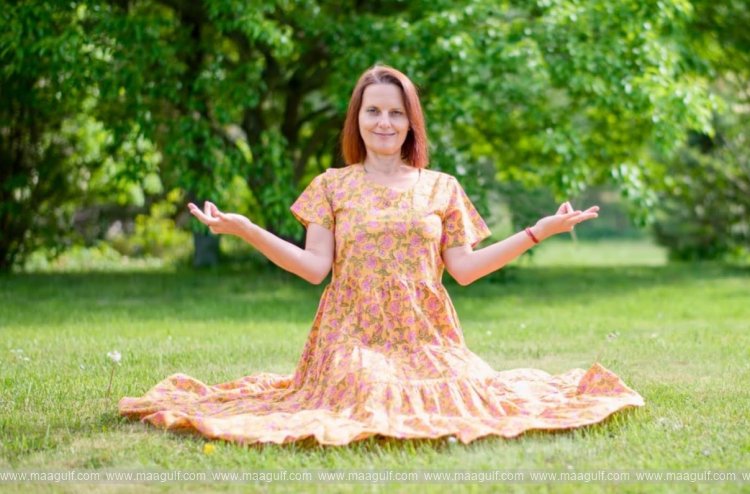
Somatic Experiencing (SE)
The percentage of mental health issues in society is growing. Perhaps 70% of children struggle with anxiety, depression, and panic attacks. Many adults regularly take antidepressants. At the same time, the demand for therapeutic help is increasing.
One method that effectively addresses mental and physical ailments is Somatic Experiencing (SE) therapy. How can it help us heal traumatic experiences, who created it, and what does a session look like? We will learn about this in today's article.
Who I am
My name is Lenka Lorien and I have been working as a sensitive trauma therapist for twelve years. I use all my extensive knowledge and experience to create effective, tailor-made therapy for my clients. I am sought out by both adults and parents with their children. However, I devote most of my time to mothers who have experienced traumatic childbirth.
I work with craniosacral therapy, Somatic Experiencing, and visualization. Last but not least, I guide clients to their positive resources, which greatly accelerates the entire healing process.

Somatic Experiencing (SE) therapy – what is it all about?
Somatic Experiencing therapy is a very effective type of therapy. It believes that a person's inner feelings affect their body and that traumatic experiences cause an imbalance in the nervous system. It uses mind exercises and techniques to release trapped trauma in the body. By releasing tension in the body, inner blocks are healed.
"Somatic therapy is designed to help a person clear their mind and connect with their body. It is useful because it combines mindfulness, grounding techniques, and traditional conversation or verbal therapy. Somatic therapy approaches aim to address your physical and mental health simultaneously so that you can find relief more quickly." Peter Levine
Our autonomic nervous system is not subject to our will and controls vital bodily functions such as heart and respiratory activity, digestion, sweating, vomiting, sexual arousal, etc. We divide it into two groups – the sympathetic and parasympathetic nervous systems. The parasympathetic nervous system keeps the body calm during rest and digestion. The sympathetic nervous system prepares the body for "fight or flight" (the so-called "flight or flight" mechanism), which manifests itself in tense muscles, dilated pupils, etc. When fight or flight does not occur, the body freezes or dissociation. The energy is therefore not discharged and remains encapsulated in the body. A typical example would be an operation where a person feels threatened but cannot escape.
Trauma is the experience of a very stressful, frightening, or disturbing event that we are unable to cope with in a given situation. It can be a single event or a series of events beyond our control that occur over a period of time. Examples of trauma include war, physical assault, surgery, car accidents, the death of a loved one, bullying, natural disasters, birth trauma, parental neglect, etc.

The origins of Somatic Experiencing therapy
American psychologist and biological physicist Dr. Peter Levine, Ph.D., spent forty years gathering knowledge from his practice. He observed that animals in the wild, whose lives are commonly threatened, are able to recover quickly by physically releasing the energy accumulated during stressful events. However, humans often suppress these natural ways of regulating the nervous system with feelings of shame and omnipresent thoughts, judgments, and fears. This suppression prevents the release of stress energy from the system, and it remains trapped in the body—the trauma freezes in the body. Peter Levine therefore developed the SE method, which helps people release this stress from the body.
How does the SE method differ from other therapeutic approaches?
SE is unique in that it connects the body and mind. Other therapies tend to focus either on the mind or purely on the body. Although the treatment of the mind-body connection is a relatively new concept in Western countries, this approach has long been recognized in Eastern medicine and philosophies.The SE technique can be performed in both individual and group therapeutic settings.
Can you tell us more about this method?
The SE method uses the so-called SIBAM scheme. It is an acronym for sensation, imagery, behavior, affect, and meaning. All five aspects play a key role in the success of the therapy. SE therapy therefore involves working with the body, feelings, and guided meditation. A trained therapist can read the client's behavior and the way they experience emotions, analyze their body language, gestures, and way of speaking, and determine the course of therapy. The last very important component is the client's subjective perception of the therapy and its contribution to their life. These are the five basic pillars. Techniques used in therapy However, there are more ways to experience somatic sensations. I like to use sourcing (finding positive sources from which the client draws strength and energy) and titration (experiencing a traumatic event with all its feelings in a safe environment and "step by step" – in a way that is not too demanding for the client), pendulation (I guide the client from traumatic memories to experiencing peace and harmony so that they can relax and retraumatization does not occur. Then we return to the painful memories and again to the pleasant experiences. This is repeated several times).
Who can this therapeutic method help?
This method can help anyone who suffers from physical and mental ailments or wants to have greater contact with their own body.
In my experience, anyone can try somatic therapy as an alternative or supplement to conventional talk therapy. It effectively treats PTSD (post-traumatic stress disorder), anxiety, addiction, depression, stress, panic attacks...
In terms of physical problems, it can help with chronic pain, stomachaches, headaches, backaches, digestive disorders, sleep problems, and a whole range of other health issues.
Due to its focus on grounding and mindfulness, this therapy can also be an effective option for those who want to get more in touch with themselves. Many people who have experienced trauma (unfortunately, most people today) disconnect from their bodies and lose touch with themselves. Somatic experiencing helps them reconnect with themselves and become more aware of their inner experiences. It allows people to tune their nervous system by releasing traumatic freeze.
How does the session work?
The session takes place in a pleasant environment. It is crucial that the client feels safe. During the conversation about traumatic events, the therapist observes the client's physical reactions (shallow breathing, change in posture, etc.). They then use appropriately selected techniques to guide the client towards releasing accumulated stress and help them reconnect with their own body. The techniques used may include breathing exercises, physical exercises, massage, slowing down, developing and strengthening resources, building boundaries, grounding, dance therapy, connecting with feelings in the body, mindfulness, etc.
The key is to enable people to develop new patterns of thinking and behavior so that they can respond better to different experiences or emotions when they arise.
Where can interested parties try out SE?
Somatic therapy can be easily integrated into other psychotherapeutic and counseling approaches. It is important to find a licensed and experienced mental health professional trained in somatic therapy techniques. It is good to keep in mind that finding a therapist with the right education and experience is only one piece of the puzzle; it is equally important to find a therapist with whom you feel comfortable and who you feel understands you and the challenges you want to overcome. In the Czech Republic, for example, you can find inspiration on the website of the Somatic Experiencing Association of the Czech Republic, z.s. http://seasociace.cz/
My personal experience with this technique
Training in somatic experiencing beautifully complements and enriches my work, especially my craniosacral practice.
A specific story from my practice – Helena's story
With her consent, I will describe the story of my client Helena. Helena was born prematurely and spent two months in an incubator. She had problems with her heart, kidneys, and digestive tract and underwent a series of operations as a baby. Later in life, she was treated for thyroid problems. When she first came to me, Helena felt disconnected from her own body, refused food, had a hostile attitude towards herself, and her intimate life with her husband was at a standstill.
Becoming aware of her own body and the feelings within it helped Helena greatly. Often during therapy, long-suppressed emotions would surface and Helena's body would shake. It was evident that she carried a great deal of trauma from her childhood, when she underwent so many operations as a baby. As a baby, she did not have the capacity to understand what was happening to her, she felt frightened and alone, and there was no one close to her.
When Helen's body shook, she always felt tremendous relief. She also found help in guided meditations, where we gradually filled in the missing feelings of security and closeness. We also focused on strengthening the positive sources in her life. Helena realized that she had always wanted to have a dog. She finally fulfilled this desire.
Helena and I met regularly for six months. During that time, she made a huge shift in her life. She began to be more aware of her body and took a more friendly approach to it, she began to enjoy food again, and she felt the desire to reconnect with her husband.
Somatic experiencing is a very effective therapy that I like to use. When the client is open to it, it can work wonders.
For more information you can visit http://Healingtrauma.eu

తాజా వార్తలు
- యూఏఈలో ఈ-ఇన్వాయిసింగ్ అమలుకు గడువు.. నెలకు Dh5,000 జరిమానా!
- బెర్న్లో బతుకమ్మ సంబరాల్లో పాల్గొన్న మంత్రి జూపల్లి కృష్ణారావు
- ఖతార్లో దోమల నివారణకు మార్గదర్శకాలు జారీ..!!
- అరబ్ రీడింగ్ ఛాలెంజ్..అక్టోబర్ 29న దుబాయ్లో తుది వేడుకలు..!!
- భారత్-కువైట్ దౌత్య సంబంధాలకు 65 ఏళ్లు.. మొక్కలు నాటిన భారతీయులు..!!
- తెలంగాణ టీజీ ఐపాస్ పై సైబర్ దాడి
- భద్రతా మండలిలో వీటో అధికారాలపై ఆంక్షలు విధించాలి..!!
- బహ్రెయిన్లో కొత్త ఆరోగ్య బీమా నిబంధనలు..!!
- ఒమన్లో కార్మికుల నివాసాలపై ఆంక్షలు..!!
- రక్షణ రంగంలో తెలంగాణను దేశంలోనే అతిపెద్ద పారిశ్రామిక కేంద్రంగా తీర్చిదిద్దుతాం: సీఎం రేవంత్


